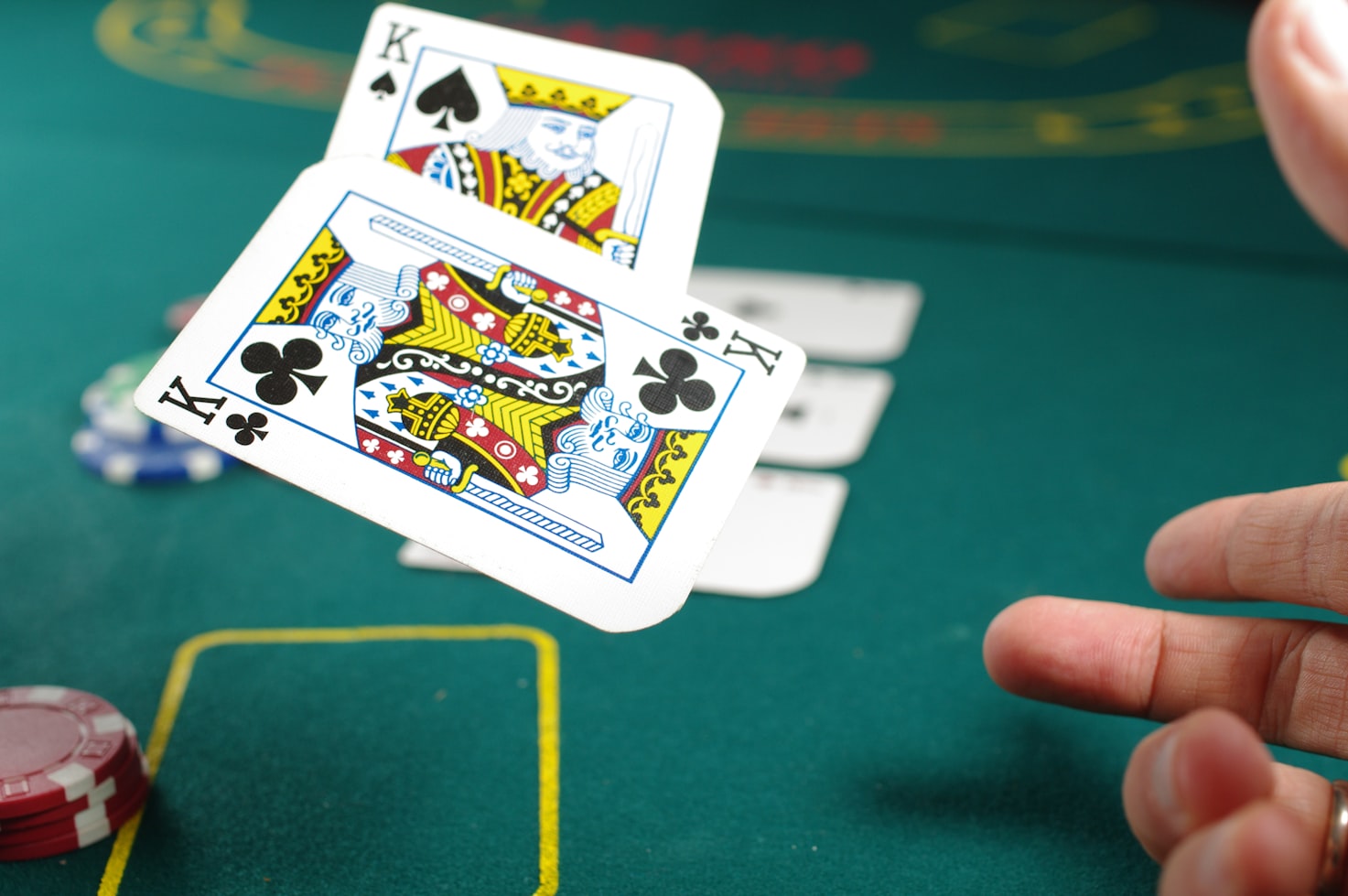
The mind game exploring the psychology behind gambling decisions
The allure of risk and reward
Gambling inherently carries a dual promise: the thrill of risk combined with the potential for substantial rewards. This interplay between uncertainty and desire is a fundamental psychological driver behind gambling decisions. Many individuals are drawn to the notion of “what if” scenarios, where a small investment can lead to life-changing outcomes, such as playing at a slots casino. The excitement that accompanies this risk often leads to an adrenaline rush, which can be intoxicating and addictive.

This thrill isn’t just about the money; it’s about the experience itself. For many gamblers, the act of wagering is as engaging as the game itself. This emotional engagement heightens their awareness and focus, often blurring the lines between rational decision-making and impulsive behavior. The allure of risk thus transforms gambling from mere entertainment into a profound psychological experience.
The impact of cognitive biases
Cognitive biases play a significant role in how individuals make decisions while gambling. For instance, the illusion of control is a common phenomenon where players believe they can influence the outcome of a game, even in games of pure chance. This belief can lead to overconfidence, causing players to take risks they might otherwise avoid. Such biases can skew perceptions of probability, leading gamblers to misjudge their chances of winning.
Another notable cognitive bias is the gambler’s fallacy, where individuals believe that past outcomes influence future results. For example, if a player sees a particular slot machine hasn’t paid out recently, they may assume it’s “due” for a win, despite the machine’s outcomes being entirely independent. These biases not only affect decision-making but can also lead to increased gambling behavior, as players chase losses or misinterpret winning streaks as a sign of skill.
The role of emotions in decision-making
Emotions significantly influence gambling decisions, often overriding logical reasoning. The excitement of winning can lead to a temporary high, while the disappointment of loss can trigger a range of emotional responses. These emotional states can cloud judgment, pushing individuals to gamble more in hopes of recapturing their initial thrill or offsetting their losses. This cycle can lead to problematic gambling behaviors over time.
Moreover, emotional arousal can amplify risk-taking. When people experience heightened emotions—whether joy from a win or despair from a loss—they may become more impulsive, making decisions they wouldn’t typically consider. This can perpetuate a cycle of emotional gambling, where decisions are based more on feelings than on calculated risks.
Social influences on gambling behavior
Social factors also play a crucial role in shaping gambling decisions. Peer pressure and social norms can encourage individuals to gamble in settings where they might not engage alone. When surrounded by others who are betting, individuals may feel more inclined to participate, often rationalizing their choices through a sense of community or shared experience.
Additionally, advertising and media portrayals of gambling can create a perception of glamour and excitement. The depiction of successful gamblers living lavish lifestyles can entice individuals to take part, believing they too can achieve similar results. This social reinforcement not only normalizes gambling behavior but can also encourage individuals to overlook the inherent risks associated with betting.

Understanding the psychological landscape
The intricate relationship between psychology and gambling decisions is a vital area of study. By exploring the underlying motivations, biases, and emotions that drive individuals to gamble, researchers can develop better strategies to promote responsible gambling. Education and awareness around these psychological factors can empower individuals to make informed choices and recognize when they may be crossing into harmful territory.
As society continues to grapple with the implications of gambling, understanding these psychological dynamics becomes increasingly important. The focus on mental health and responsible behavior in gambling contexts can lead to healthier engagement and a more informed public, ultimately fostering a safer gambling environment.