Understanding the Global Gambling Comparison Index: A Comprehensive Insight
The gambling industry has evolved dramatically over the last few decades, resulting in complex regulations and a myriad of market dynamics that vary significantly from one country to another. To measure and compare these variations, the global gambling comparison index has emerged as an invaluable resource. This index provides insights into gambling regulations, market size, societal impact, and more, allowing stakeholders—governments, organizations, and investors alike—to make informed decisions.
The Significance of the Global Gambling Comparison Index
The index serves multiple purposes. Firstly, it aids governments in gauging the effectiveness of their gambling regulations. By comparing their country’s framework with others, officials can identify areas for improvement or necessary reforms. Additionally, it allows businesses within the gambling sector to optimize their strategies based on the trends observed in various markets.
Key Factors Considered in the Index
The global gambling comparison index takes into account several critical factors, all of which collectively influence a nation’s gambling landscape. Here are some of the primary metrics considered:

Regulatory Environment
The robustness of a country’s regulatory framework is one of the most significant factors in determining its gambling market’s health. Nations with clear, fair, and enforced regulations tend to attract more operators. This regulatory environment is necessary for protecting consumers and ensuring fair play.
Market Size and Revenue
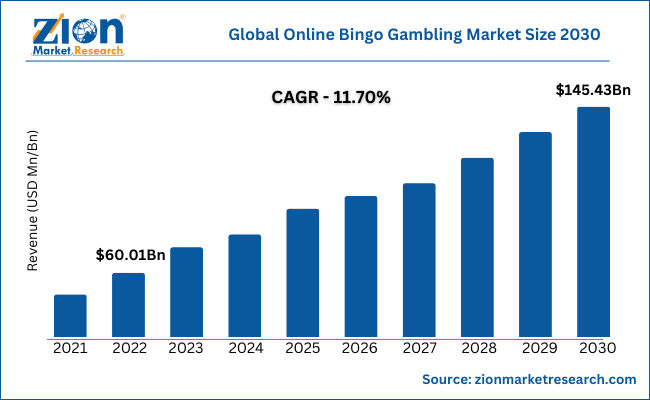
Market size, measured in terms of revenue generated by the gambling sector, is crucial when evaluating its economic impact. Larger markets can provide more opportunities for investors and operators, while also contributing significantly to national economies through taxation and employment.
Social Impact
The social implications of gambling are vast and multifaceted. The index looks into problem gambling rates, the effectiveness of support mechanisms in place, and the overall attitude of the population towards gambling. A country that invests in responsible gambling initiatives might rank more favorably in terms of social impact.
Technological Adoption
As technology continues to advance, so does the gambling industry. Countries that embrace technology and innovation—such as online gambling platforms and mobile applications—often see significant growth in their gambling sectors. The index measures how well nations adapt to technological changes.
Comparative Analysis: Leading Nations in the Gambling Sector
Based on the global gambling comparison index, some nations are leading the charge in terms of regulatory framework, market size, and social responsibility. Let’s take a closer look at a few of them:
United Kingdom
The UK has long been regarded as a leader in gambling regulation, with comprehensive laws and effective enforcement. The UK Gambling Commission ensures that operators adhere to strict standards, fostering a safe environment for consumers. The UK’s gambling market is also one of the largest globally, contributing significantly to the economy.
Australia
Australia presents a unique case in gambling. While states have autonomy over their gambling regulations, the country has taken significant strides towards responsible gambling, providing numerous resources for affected individuals. The market size is substantial, backed by a robust online gambling presence.
Canada
Canada’s gambling sector is marked by provincial regulations; however, the country has seen an increase in online gambling that boosts its market size. The Canadian government has invested in responsible gambling initiatives, demonstrating a commitment to minimizing the social impact of gambling.
Singapore
In recent years, Singapore has emerged as a gaming hub in Asia. With stringent regulations, the government controls gambling activities to ensure that it benefits the economy while minimizing social harm. The country’s market is growing, driven mainly by tourism and local participation in regulated gaming.
Challenges in the Gambling Industry
Despite the growth and development
.png?lang=en-US)
within the global gambling landscape, several challenges persist. Regulatory inconsistencies between nations can create hurdles for operators looking to expand. Additionally, as the sector evolves, concerns around problem gambling and ensuring consumer protection remain paramount.
The Future of Gambling: Trends and Predictions
Looking ahead, the gambling industry is poised for several transformations. Trends indicating increased acceptance of online gambling, especially post-pandemic, suggest that more jurisdictions may consider relaxing their regulations. Additionally, advancements in technology—like the integration of Artificial Intelligence (AI) and virtual reality (VR)—are expected to redefine the gambling experience for users globally.
Conclusion
The global gambling comparison index plays a crucial role in understanding and navigating the complex world of gambling regulations and market dynamics. As the industry continues to evolve, such tools will be essential for promoting transparency and facilitating informed decision-making among stakeholders.